Two turnout jackets that would serve you well for animal rescue operations
This blog is a continuation on the series of personal protective equipment(PPE) for those performing emergency animal rescue operations. Anyone working an animal rescue incident needs protection from the elements as well as abrasive surfaces and more. Jackets are a good choice. Although the title says this is a product review I will not be reviewing a specific model since the jackets featured here have new offerings from the companies that would provide improved product.
Here in the subtropical State of Florida within the United States I’m exposed to intense sun, rain and strong winds. Biting insects like spiders and mosquitos. And other environmental exposures such as sand, abrasive surfaces like brick or concrete block walls, sun baked hot blacktop paved areas, sawgrass, saw palmetto and more. There are plenty of things to bite, abrade or puncture the skin. Clearly an individual needs protection.
The following two jackets I personally use for animal rescue. Since the two jackets are no longer available I’ll focus on the features. I want the reader to focus on how to pick out a jacket from any manufacturer that will suit their particular needs. I’d say the two most important factors to consider are function and features. What you want the jacket to do for you and which features are required.
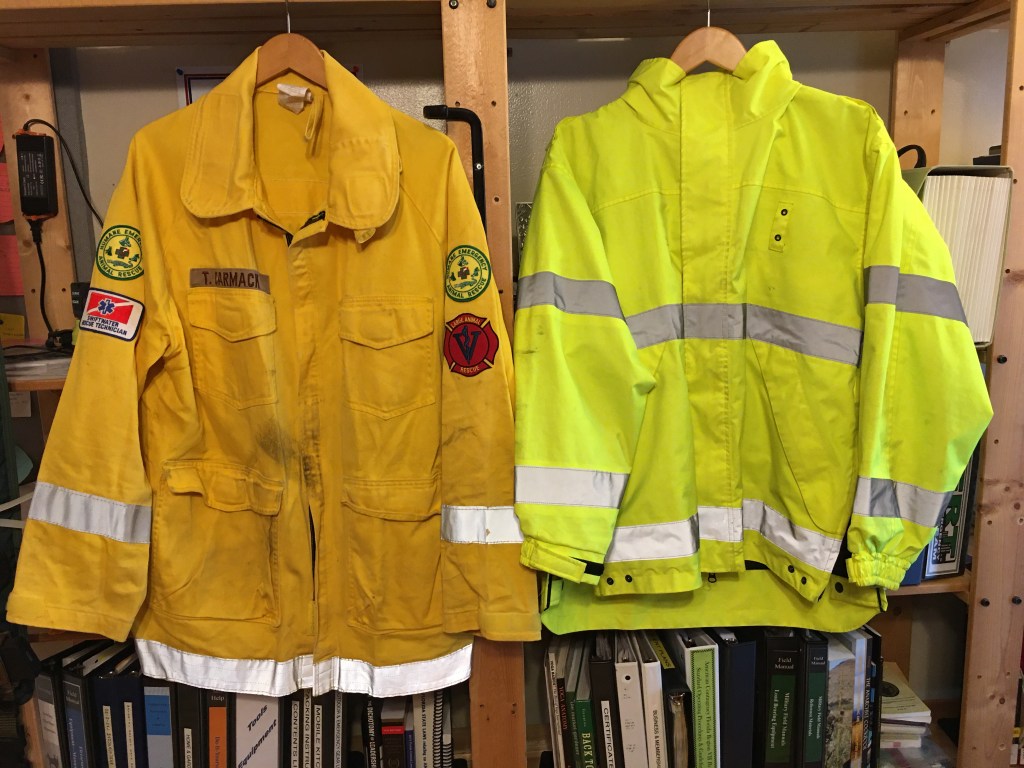
There are a few features on a jacket I won’t compromise on. Sleeve cuffs that reach to at least the middle of the back of my hand but I prefer they reach my knuckles. When the sleeves are that long they usually stay in place or go no further up the arm than the wrist when reaching the full extent of the arm/s. The sleeves need snap or Velcro closures to help keep them in place over my gloves to help seal out things like insects or debris. I usually will pass on a jacket that has elastic in the cuffs.
A high collar that zips, Velcro’s or snaps in place that will keep out the rain, sun, debris and/or insects. Front pockets located on the lower half of the garment that I can put my hands in as well as store gloves that have either a zipper or Velcro closure. Those type of pockets will have one place for items and another place for the hands. High visibility color like a bright yellow. Highly reflective tape sewn on made by 3M or Oralite(Reflexlite).
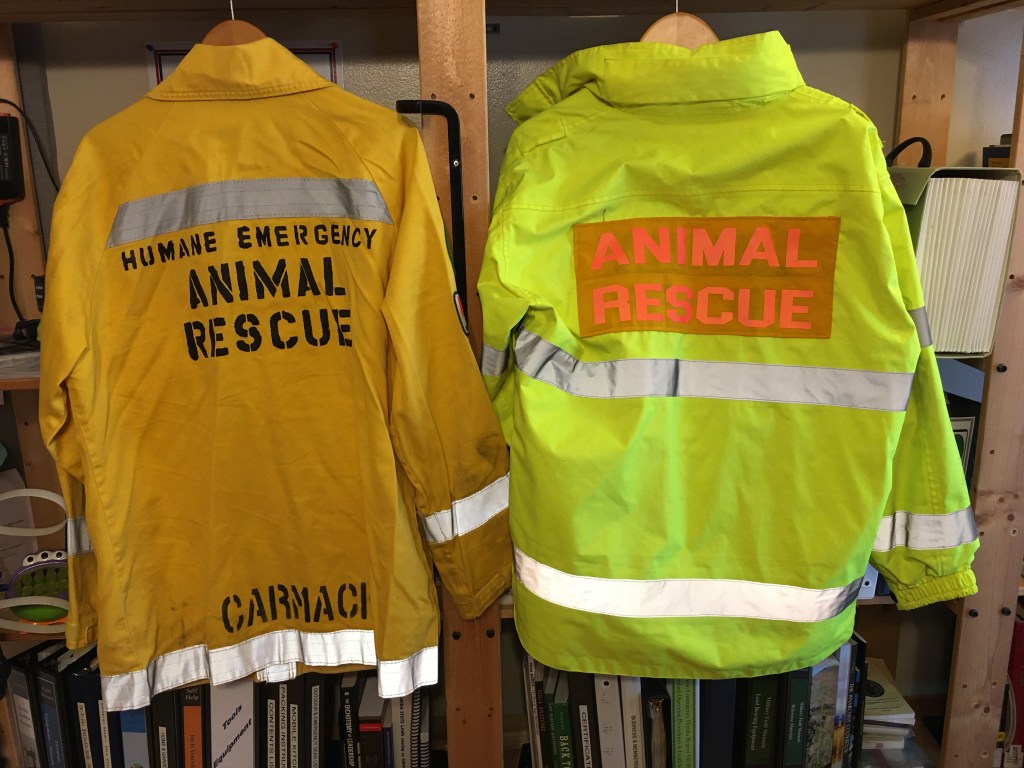

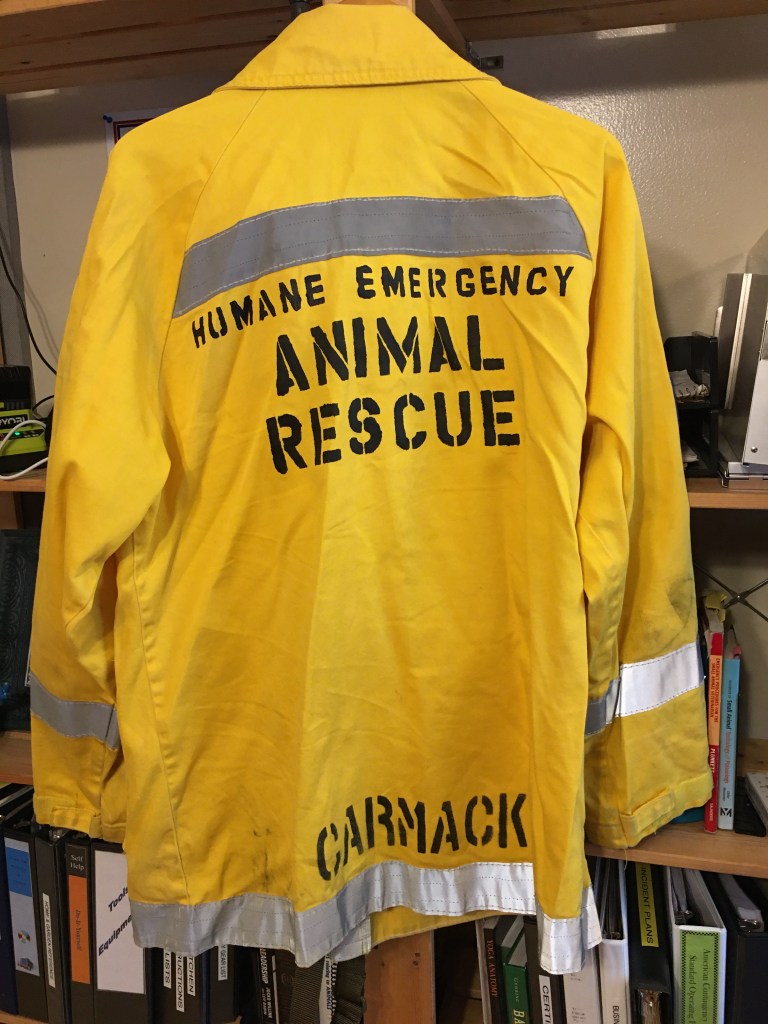
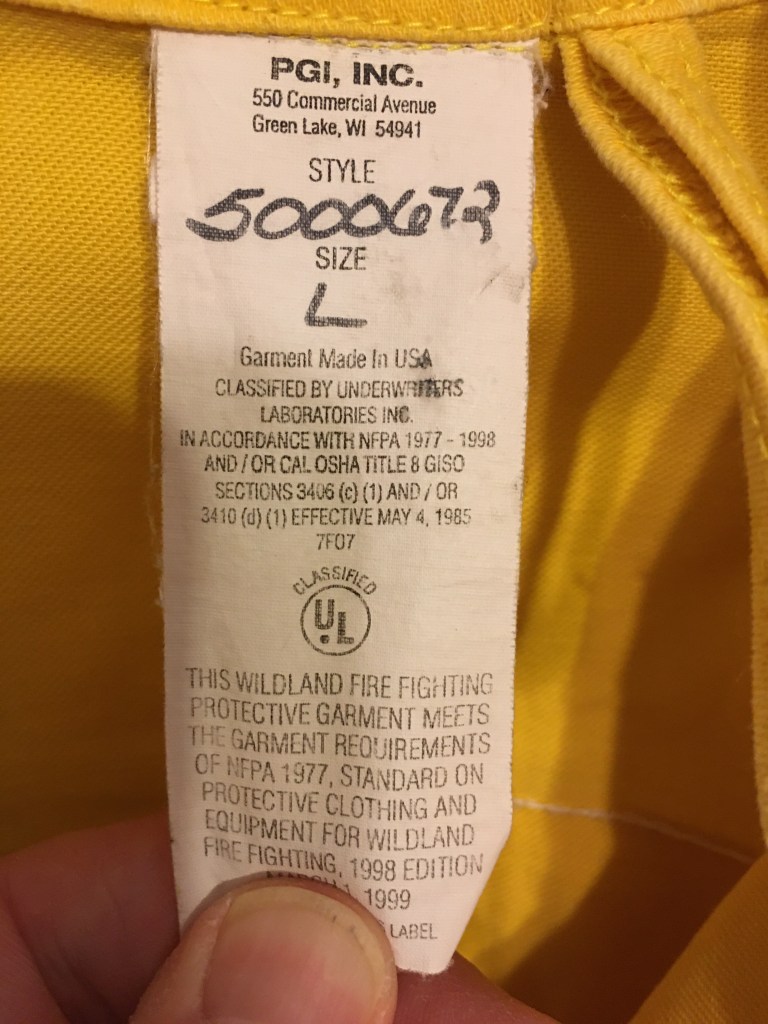
The Wildland jacket is my primary choice for most incidents. It’s a good quick way to protect my arms and uniform shirt from dirt, abrasions and sun exposure. It has the high collar, reflective markings, bright yellow color and pockets. It’s also made from fire resistant material should I as a former firefighter find myself in a situation where those skills are necessary to help aid a human or animal. It looks professional. I prefer to wear it in the hot humid weather we have here in South Florida because it’s a single layer so it’s not as uncomfortable as other jackets that are multilayer. It also keeps me from having to use my coveralls for most incidents. The jacket shown is a PGI brand.
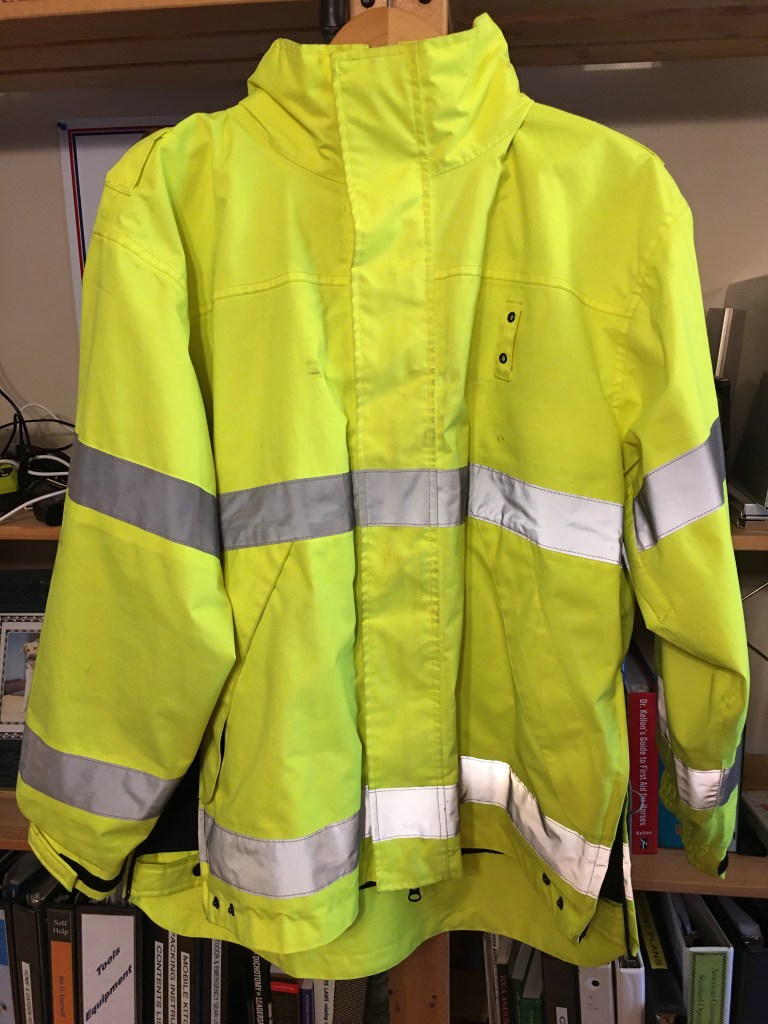

The Spiewak Vizguard parka is my primary choice when it’s raining or experiencing windy-cold weather. The material is a high visibility yellow color that keeps me dry. It has lower pockets that zip closed. Zippered side closures that allow access to essential items worn on a belt such as a flashlight, two-way radio or firearm. There is also a tab with a snap on it that will hold the lower part of the jacket in place when using the zippered side closures.
A high collar that helps keep out the weather and other things mentioned before. The double main zipper aids in longevity by it’s ability to be zipped from the bottom up relieving stress on the zipper when in constant use during a shift. If you’ve ever had a zipper fail along the bottom edge of a jacket you’ll appreciate this feature. The reflective marking tape on this jacket helps classify it as a Class 3 garment.
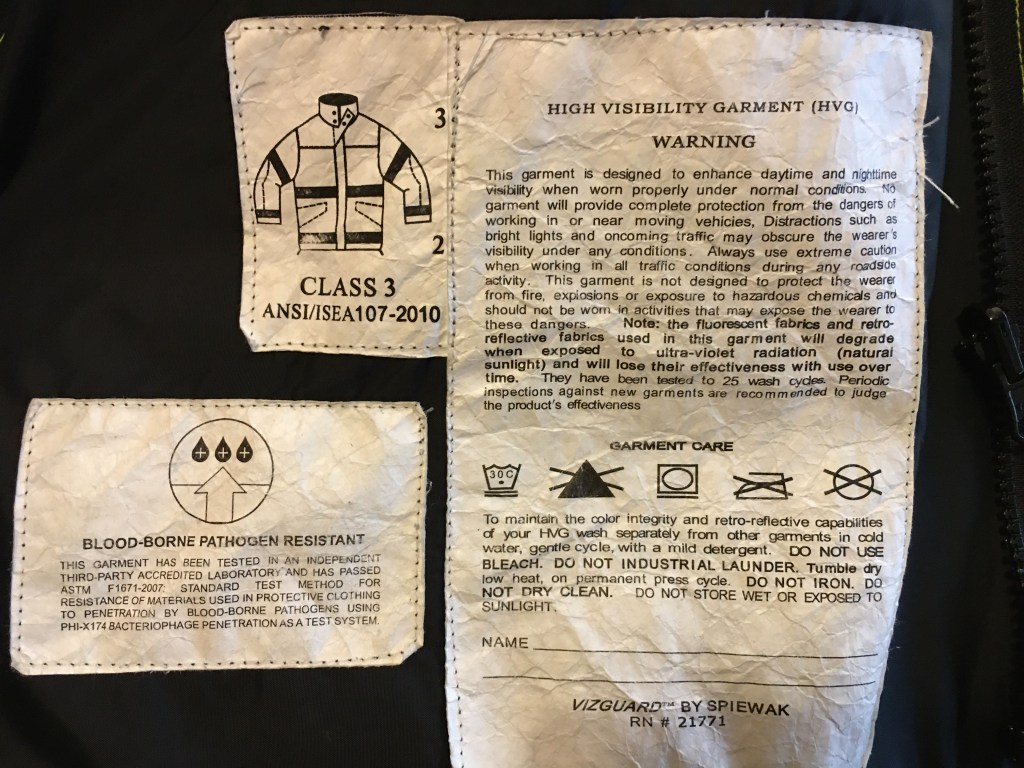
The rain parka is ANSI/ISEA 107-2010 Class 3. This standard addresses the selection and use of high visibility safety apparel for workers that are exposed to the hazards of low visibility. That might include daytime, low-light conditions, at night, fog or smoke. If you can get a garment that meets the ANSI/ISEA 107-2010 standard that is either a Class 2 or 3. You’ll have to research the standard when purchasing items like the jacket then decide which class will be applicable for your situation. I’d prefer a Class 3 but a Class 2 will also work. This standard is really important to look for especially when working on the streets and highways. One of the most dangerous situations one could place themselves in.
Another thing I think is really important is organization and individual identification on the scene of an incident. Having the organizations name clearly printed on the back of a jacket can help differentiate your organization from others who are working the same incident. This helps the fire department or police separate you from other responders. It also looks professional. And it doesn’t hurt when it is seen by the local news media or shows up all over the internet. I also like to have an individuals last name on the bottom back side of the jacket. It makes is easier to call out to the person or identify them in photographs. Both the organization and individual’s name goes back to my firefighting days. It really does help when time is of the essence.
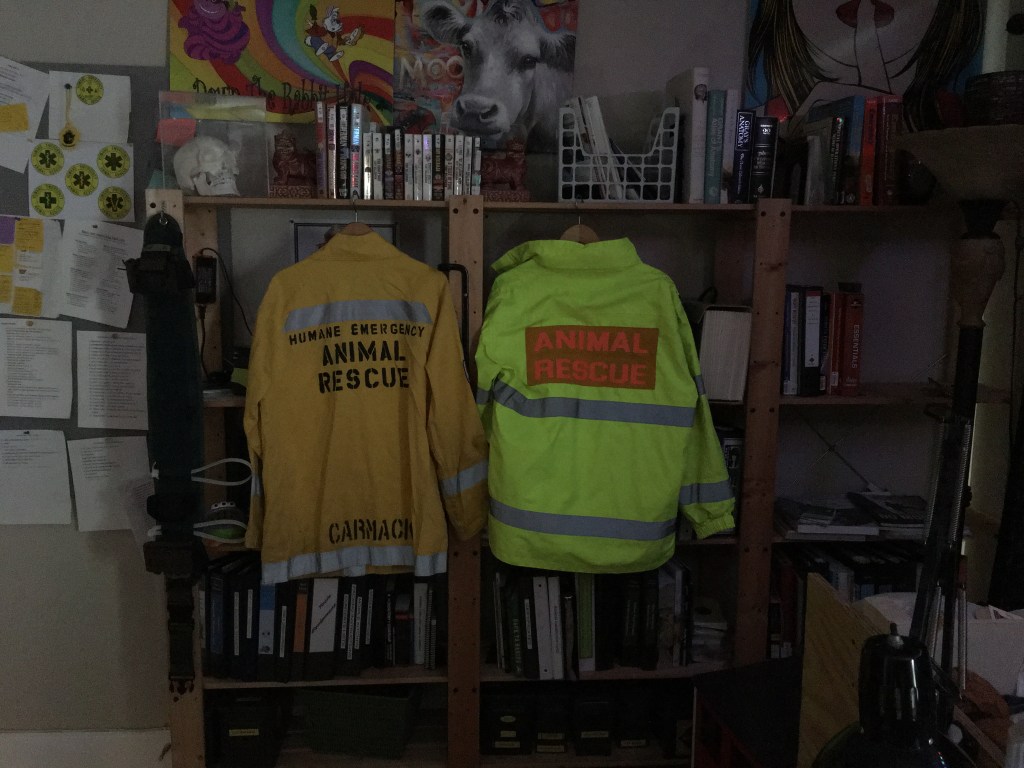
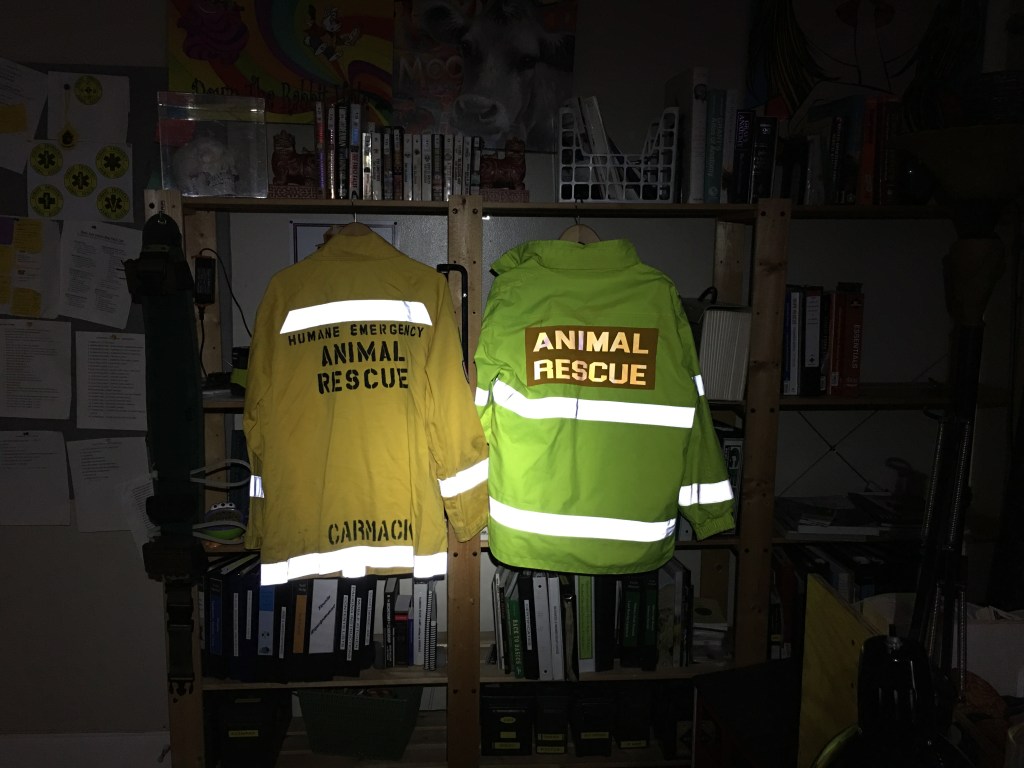
Reflective tape markings on a jacket are another necessity you don’t want to compromise on. This material is highly light reflective and help find you when it really counts. I may also help prevent the wearer from getting struck by a moving vehicle. As the photos above show, when reflecting light it dramatically increases the visibility of the garment. Even if you choose different jackets that do not have the reflective material it is easy to obtain and have sewn onto the garment. You want to specify either the 3M Scotchlite or the Oralite (Reflexlite) sew on tapes. They have a long standing reputation in the fire service for reliability.
When making a choice of which garment to choose always choose the highest quality. You could choose a jacket of cheap, inferior materials and craftsmanship and have to buy it again, and again and so on. Or invest it the best, take good care of it and it will last you for years. The wildland jacket is 20 years old, the rain parka is 8 years old. Remember it’s your safety, your life at stake. If paying for it out of pocket, invest in yourself. You’re worth it. If the funds are donations or from taxes there is a built in obligation to spend those funds wisely.
I hope you have found this informative. If you have questions or comments don’t forget to leave them below. You’ll also want to check out the video below about these jackets.
Big Boss- Rescue Chief/Founder
P.S. Please help support our efforts. Subscribe to our YouTube channel. It’s free! Watch, like and share our videos on your social media page. It really makes a difference. You can visit our donations page to find out other ways to support our mission.
 Humane Emergency Animal Rescue