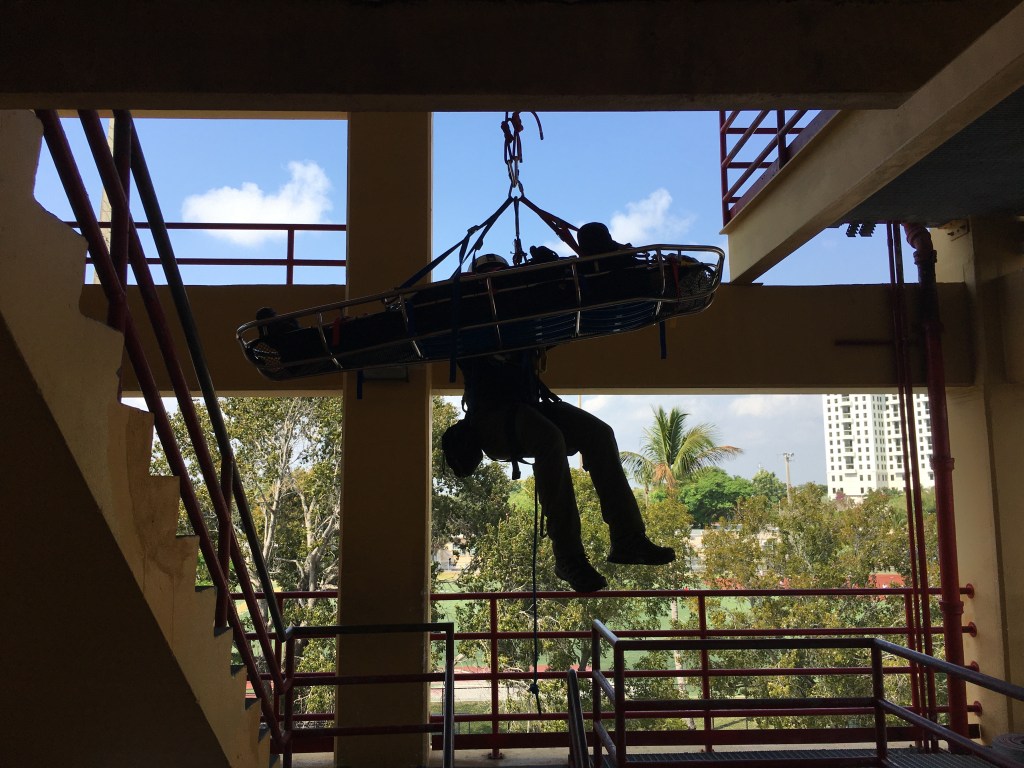
Rope rescue technician certification, a necessity for todays animal rescue professional.
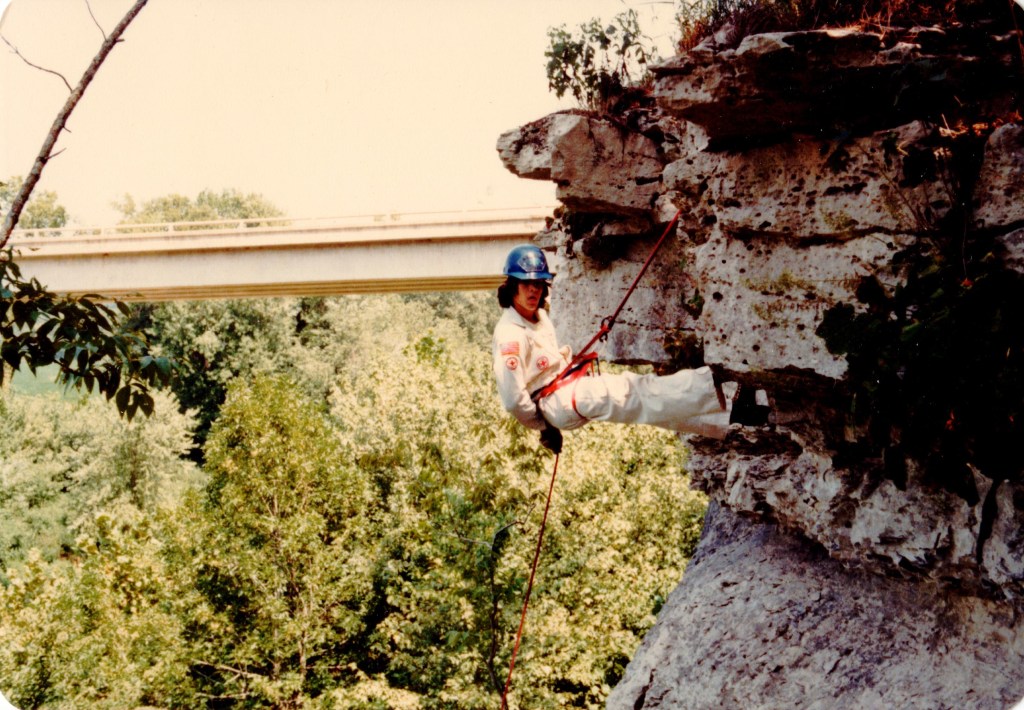
As an animal rescue first responder I understand the need for training and experience. Responding to thousands of calls for help since 1979, the value of having the right training, experience and equipment cannot be overstated. It is necessary to accomplish the mission successfully and safely. When I first started out doing rescue work there weren’t rope rescue certifications or equipment designed for vertical rescue incidents. We purchased mountaineering books from REI Co-op, then taught ourselves techniques that could be used for rescue.
During the week of February 27 – March 3 of 2023 I was fortunate enough to be able to attend CMC’s Rope Rescue Technician I/II 40 hour training course. California Mountain Company has one of the best reputations in the field for rescue training and equipment of the highest quality.
Prior to the attending the class I found a link on the CMC website called the CMC Toolkit. If you’re going to attend the class visit that page and the knots page then practice all of them. If you do you’ll already be ahead when you walk in the door. I practiced all the recommended knots every day for two months before school. It paid off once we were utilizing them.
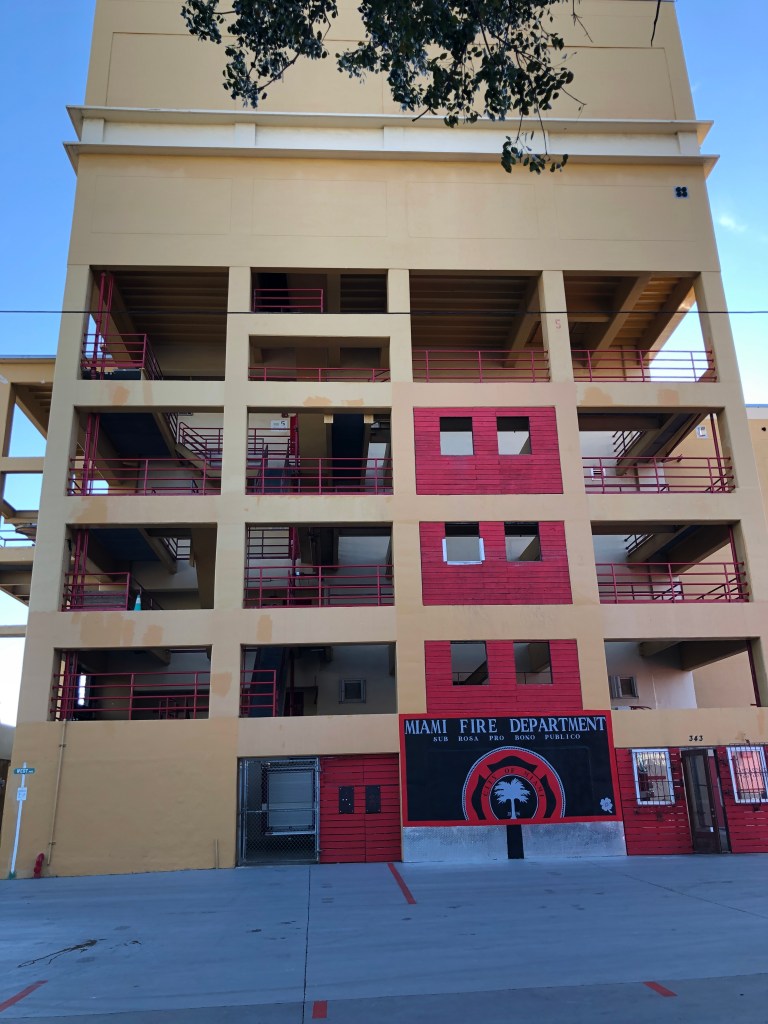
Training was held at Miami Fire Rescue’s training center. They were great hosts with an awesome facility. I’ve trained with some of their technical rescue team members before and hope to again. They’re a fantastic bunch of people.
The first day started in the classroom. The usual introductions were made, paperwork filled out. CMC swag, instruction materials and equipment were issued to the students.
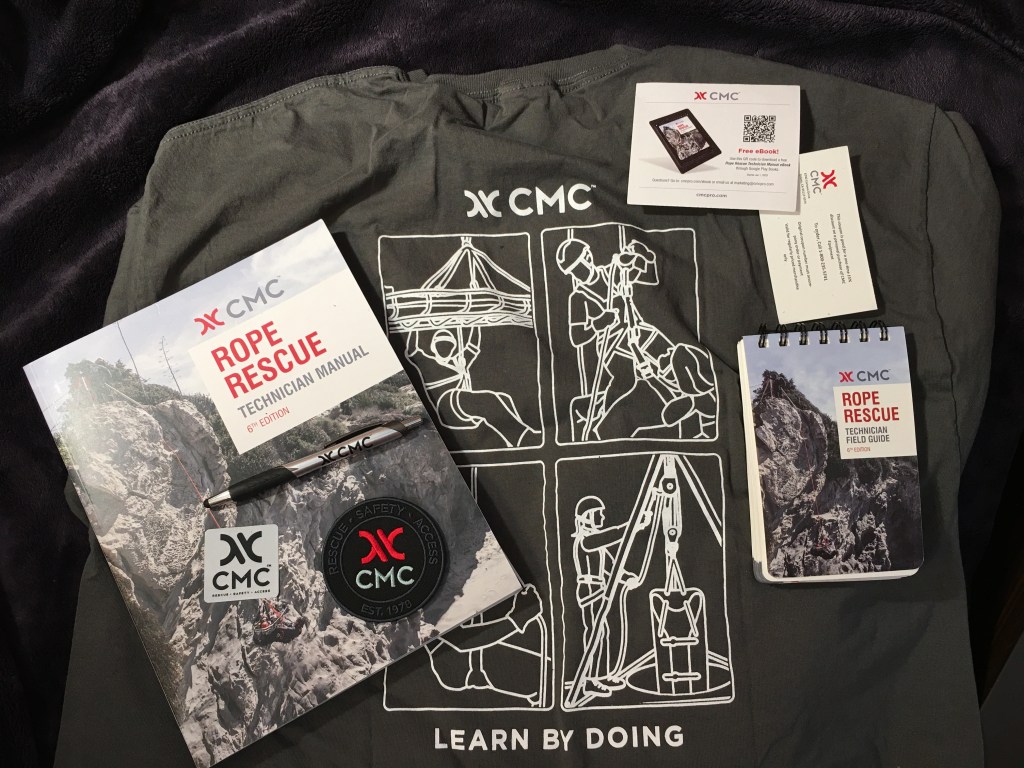
CMC swag included a cool tee shirt you can only get if you attend training, an ink pen, reflective decal and a Velcro backed patch. There was a q-code coupon for the current digital version of the Rope Rescue Technician Manual. And a one time use coupon for 15% off a purchase for personal equipment.
The manual is a 395 page (not including the glossary or index) large size book containing all course training subjects and more. The illustrations are clear and help to understand the material.
The 177 page waterproof field guide is jam packed with invaluable information and illustrations that can be used as a checklist much like pilots use to fly. This aid helped myself and other students successfully set up and overcome any of the challenges the instructors provided. Hand size, it easily fits in a cargo pocket for convenient reference.
We were also issued a Pro Pocket pouch that contained sewn prusiks, several carabiners and lengths of 1″ tube webbing which we turned back in at the end of the week. If you attend find a way to attach this to your harness. You’re going to need every item in there multiple times throughout the week starting with day one.
While in the classroom on day one students practiced knots, discussed mechanical advantage, the T-system, anchors, personal protective equipment, rope, webbing, edge protection, safety, and standards. We were split into two teams prior to training in the tower.
During the week we would spend short times in the classroom learning about the objectives for the day then head to the 4th and 5th floors to carry out task given by the instructors.
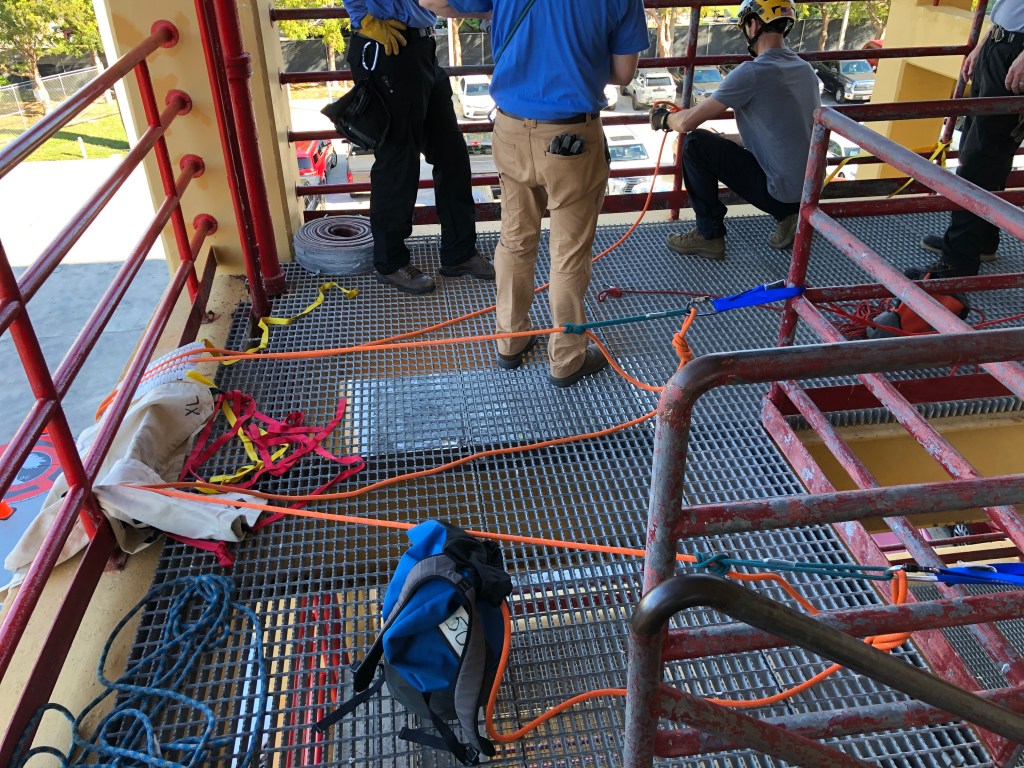
On the first day we practiced the basics, knots, anchors, edge protection, patient packaging and litter rigging. Then over the next four days progressed to more complex rigging. Twin-tension, belay, raising and lowering systems, rappelling, ascending and knot passes.
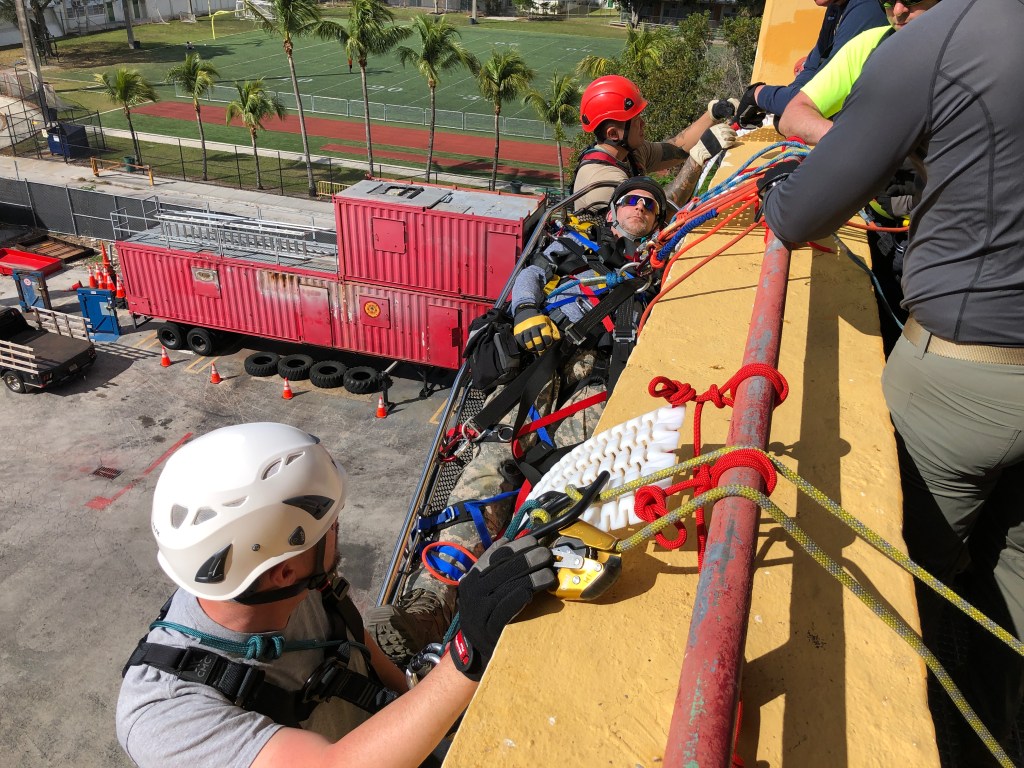
Throughout the training every student rotated through each of the positions available for whatever scenario we were working. It might be the belayer, litter tender, rigger, rescuer or patient. Everyone had a chance to perform each task or skill. There were pick-offs, litter lowers and raises. Litter tender task, low and high angle moving of patients and rescuers. Near the end of the final day both teams worked together to utilize all the skills we had learned over the week to perform a high angle litter evacuation.
I had wanted to attend this school for years but never could coordinate the dates. I couldn’t have been more enthusiastic about attending. This class is worth going through a second time there is so much to learn. If I get a chance to I will. The instructors Jim and Justin were patient, calm and each had a great personality. I’m glad to know both of them are active duty officers in the fire service. They are the kind of guys you want by your side or in a command position while working a ripping fire or hanging from a rope. I can’t give them a higher complement than that.
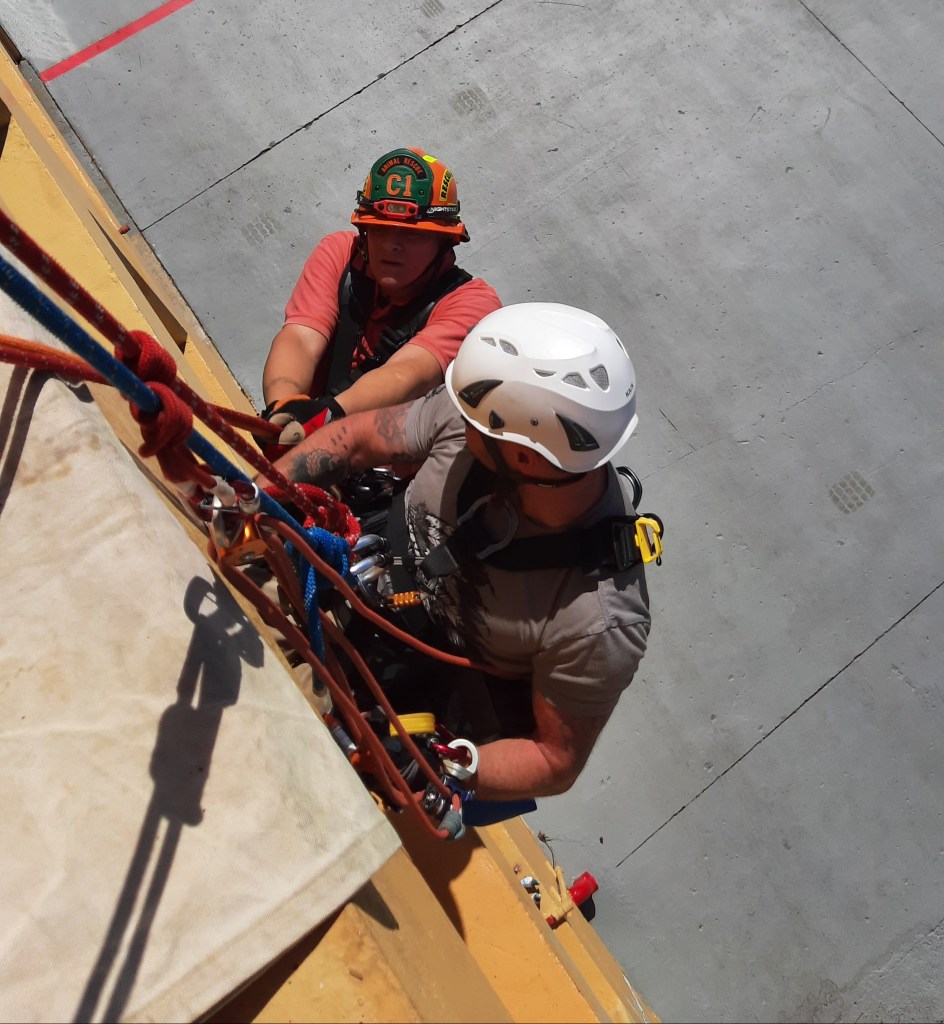
Animal rescue first responders reading this; I cannot stress to you enough that you need this training. If you find yourself working at elevation, from the edge of a bridge, picking off from a tree or telephone pole or going into an opening in the earth this is the training you want. Many of those rescues are considered technical in nature. Do some research and see what the legal requirements are before doing those types of rescues. They require the right training and equipment to help keep you safe and alive.
Big Boss- Rescue Chief/Founder
P.S. Click below for our rope rescue technician vlog. Don’t forget to subscribe to our YouTube channel!
 Humane Emergency Animal Rescue